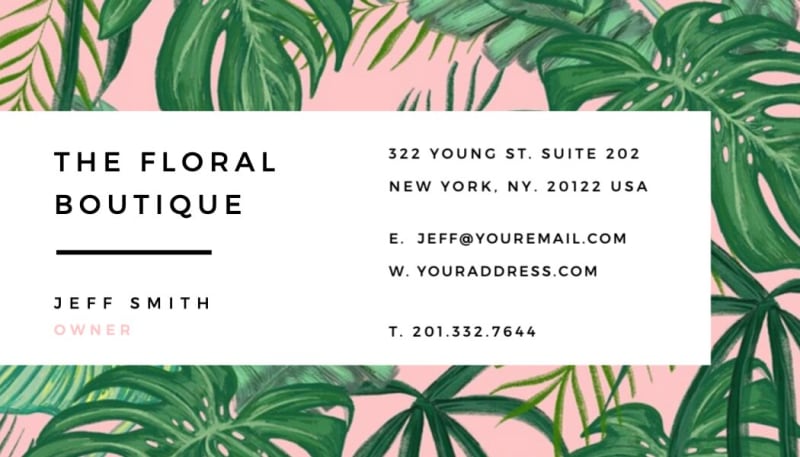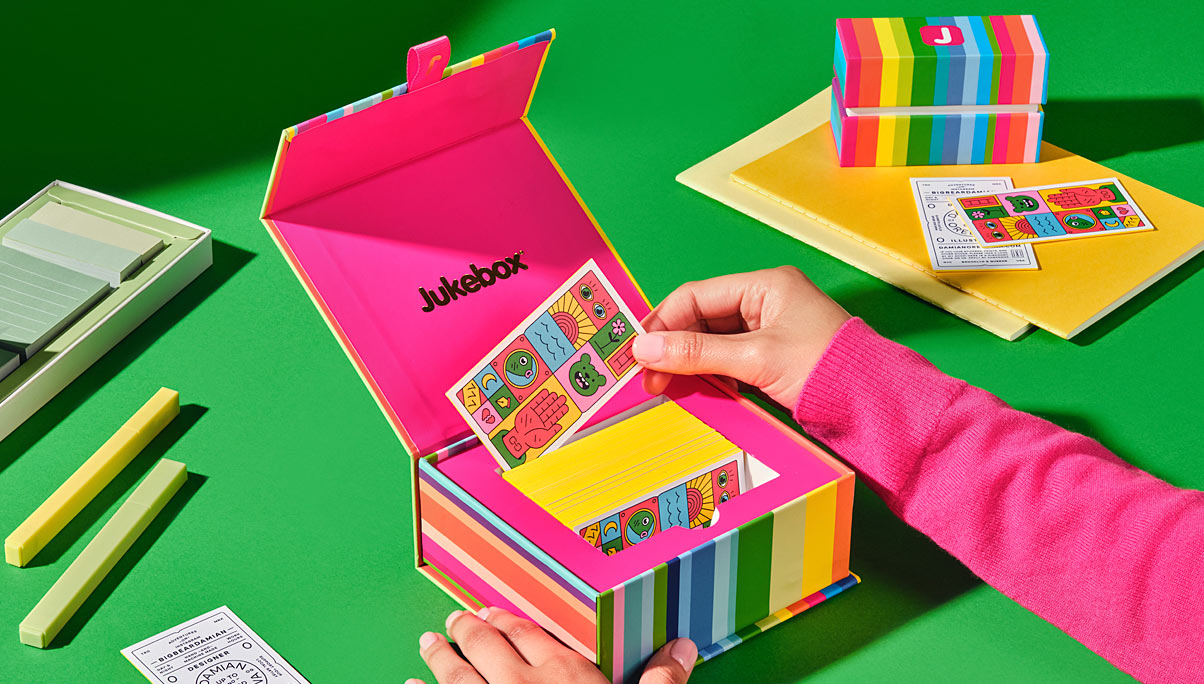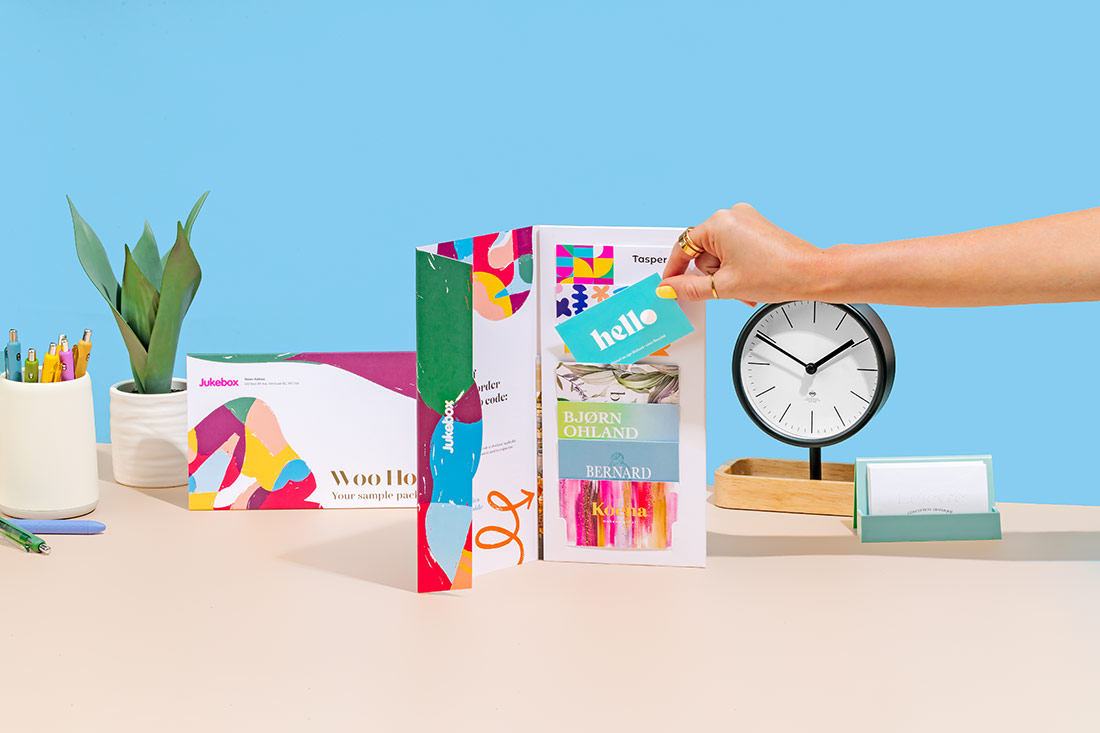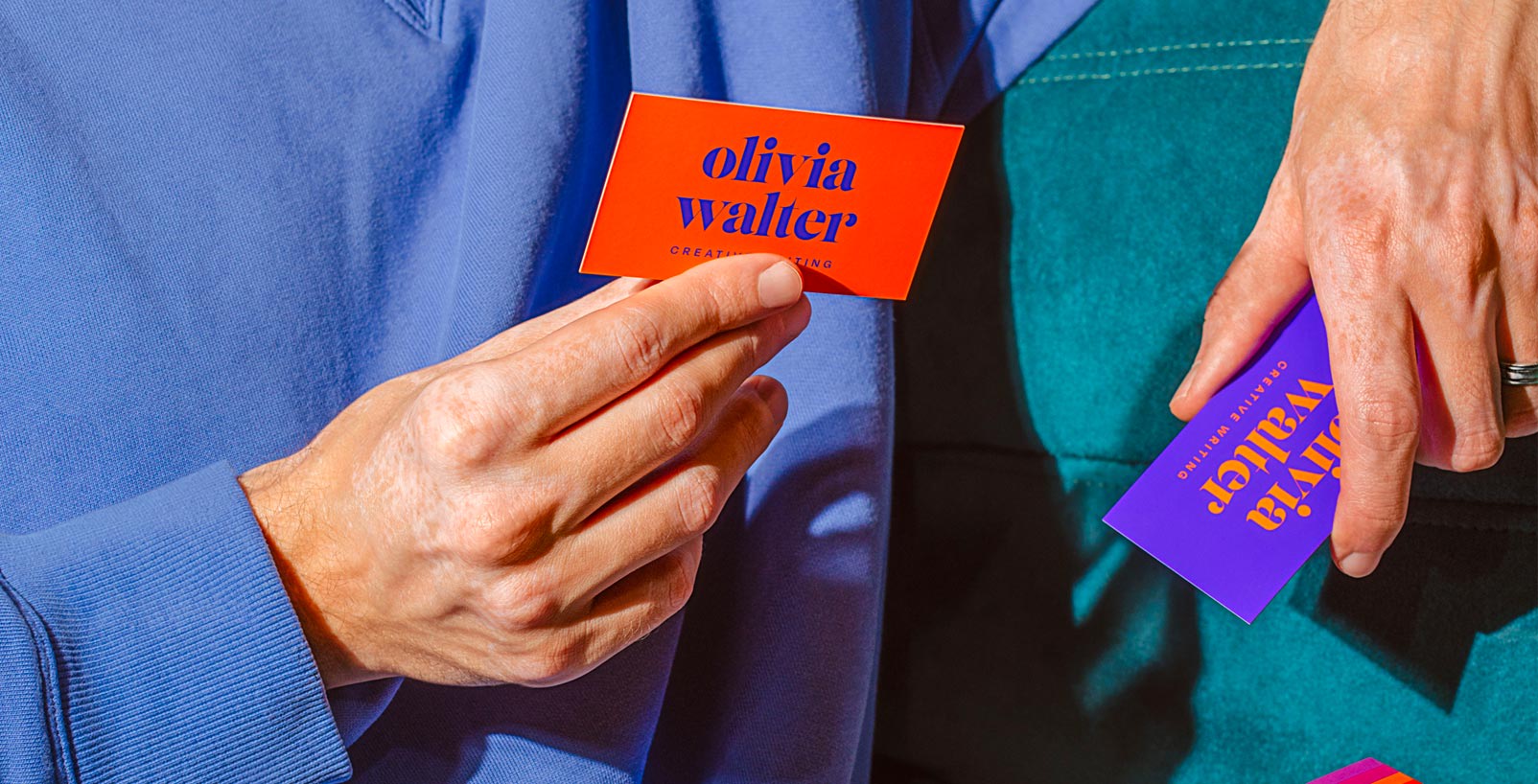
A visiting card is the same product as a business card. The term visiting card is commonly used in India, Pakistan, Bangladesh, the UAE, and other parts of South Asia and the Middle East. In North America, the United Kingdom, and most of Europe, the same card is called a business card. There is no difference in the product itself. Only the terminology changes by region. For design help, see the visiting card design guide.
Visiting Cards
The Complete Guide to Visiting Cards
Visiting card is the standard term across India, Pakistan, UAE, and South Asia. Business card is the same product. This guide covers sizes, design, templates, and print setup for both.

What is a Visiting Card
A visiting card is a small printed card that carries your name, contact information, and professional identity. You hand it to someone at the end of a meeting, a conference, or a chance encounter. The purpose is simple: to leave behind something tangible so the other person can reach you.
The visiting card has been in use for centuries. In Victorian England, calling cards were formal social tools with protocols around when to leave them. In Japan, the exchange of meishi remains a ritual with its own etiquette. In South Asia, the visiting card is a standard part of any professional introduction. The format has changed. The function has not.
Visiting cards are printed on the same premium stocks as business cards, because they are the same product. The size, printing process, finishes, and file setup are identical. Whether you call it a visiting card or a business card depends on where you are, not what you are printing.
| Also called | Business card |
| Standard size (NA) | 3.5″ × 2″ / 88.9 × 50.8 mm |
| Standard size (UK/EU) | 85 × 55 mm |
| Printing sides | Single or double sided |
| Common finishes | Soft Touch, Matte, Gloss, Uncoated, Colorplan |
| Minimum quantity | 50 cards |
Visiting Cards in India
In India, the term visiting card is the standard way people refer to what is known as a business card in North America. The format, size, and printing process are the same, but the terminology remains widely used across business, corporate, and freelance environments.
Search behavior in India also differs slightly. Many users are not immediately looking to print. They are looking for design ideas, templates, and layout guidance before moving into production. This is why searches for visiting card design and visiting card templates are significantly higher than direct purchase queries.
The typical workflow is design first, print later. Users create their layout, refine their information, and only then move into selecting paper, finish, and quantity.
You can start your design using the visiting card maker and move into printing once your layout is ready.
Visiting Card vs Business Card
Visiting card and business card are the same product. There is no difference in size, materials, printing method, or what goes on them. The difference is terminology, and it follows geography.
Visiting card is the standard term in India, Pakistan, Bangladesh, the UAE, and across South Asia and the Gulf. Print shops in Mumbai, Dubai, Karachi, and Dhaka all call it a visiting card. This is not informal language. It is the correct professional phrase in those markets.
Business card is the standard term in Canada, the United States, the United Kingdom, and Europe. Both phrases are globally understood. The products they refer to are identical.
This distinction matters for search. Someone in India searching for visiting card is looking for exactly the same product as someone in Toronto searching for business card. The only thing that changes is the word used to find it.
Visiting card is used in
- India
- Pakistan
- Bangladesh
- UAE
- South Asia and Gulf markets
Business card is used in
- Canada
- United States
- United Kingdom
- Europe
- Australia
| Attribute | Visiting Card | Business Card |
|---|---|---|
| Same product | Yes | Yes |
| Standard size | 3.5″ × 2″ / 85 × 54 mm | 3.5″ × 2″ / 85 × 55 mm |
| Paper options | All the same | All the same |
| Printing process | Identical | Identical |
| Primary markets | India, Pakistan, UAE, Bangladesh, Gulf | Canada, USA, UK, Australia, Europe |
| Template file specs | Identical | Identical |
Visiting Card Size
The standard visiting card size in North America is 3.5 inches by 2 inches (88.9 × 50.8 mm). This is the size that fits wallets, cardholders, and badge sleeves without a second thought. In the UK and Europe the standard is 85 × 55 mm. In South Asia, both 85 × 54 mm and the 3.5 × 2 inch North American standard are widely accepted.
When you set up your file, build in bleed. Bleed is the extension of your design beyond the finished card edge. Printers cut in stacks and the cut can shift slightly. Bleed ensures no white strip appears at the edge. For a 3.5 × 2 inch visiting card, add 0.125 inches (3 mm) on all four sides. Your total document size becomes 3.75 × 2.25 inches.
The safe zone works in the opposite direction. Keep all text, logos, and key design elements at least 0.125 inches inside the finished card edge. Background colors and images should extend fully into the bleed. Text and logos must stay inside the safe zone. Set your file to CMYK color mode before exporting. RGB files may shift in color when converted at the printer.
| Finished size | 3.5″ × 2″ / 88.9 × 50.8 mm |
| With bleed | 3.75″ × 2.25″ / 95.25 × 57.15 mm |
| Bleed on each side | 0.125″ / 3 mm |
| Safe zone | 0.125″ inside the finished edge |
| Resolution | 300 DPI at finished size |
| Color mode | CMYK |
Regional Visiting Card Sizes
Card dimensions vary by region. If you are printing for international markets, it is worth knowing which size is expected where. The differences are small but real. A 3.5 × 2 inch card does not fit neatly into a European cardholder designed for 85 × 55 mm cards.
In practice, the 3.5 × 2 inch North American standard is accepted in most global markets including South Asia and the Middle East, where many suppliers offer both sizes. If you are printing specifically for the domestic Indian or Gulf market, the 85 × 54 mm format is more locally conventional.
| Region | Term used | Standard size | Metric |
|---|---|---|---|
| North America | Business card | 3.5″ × 2″ | 88.9 × 50.8 mm |
| UK / Europe | Business card | 3.35″ × 2.17″ | 85 × 55 mm |
| India / Pakistan / Bangladesh | Visiting card | 3.35″ × 2.13″ | 85 × 54 mm |
| UAE / Gulf markets | Visiting card | 3.35″ × 2.13″ or 3.5″ × 2″ | 85 × 54 mm |
| Australia | Business card | 3.54″ × 2.17″ | 90 × 55 mm |
| Japan | Meishi | 3.58″ × 2.17″ | 91 × 55 mm |
All visiting cards are printed on the North American standard of 3.5″ × 2″. Custom sizes are available on request via a custom quote.
Visiting Card Formats
The 3.5 × 2 inch landscape card is the standard for a reason. It fits everywhere. But it is not the only option. Square, mini, and die-cut formats all serve specific use cases, and any of them can function as a visiting card.
Square visiting cards (2.5 × 2.5 inches) stand out immediately in a stack of standard cards. They require slightly more design consideration because the square format changes hierarchy, but for creative professionals and brands with strong visual identities, they are effective. They do not fit every cardholder, which is part of the point.
Mini visiting cards (3.5 × 1.5 inches) are the same width as a standard card but half the height. They work well for minimal designs with just a name, title, and contact. Die-cut visiting cards are cut to a custom shape. They cost more and take longer, but they are genuinely memorable.
| Format | Size | Best for |
|---|---|---|
| Standard | 3.5″ × 2″ | Universal fit, any industry, any wallet |
| Square | 2.5″ × 2.5″ | Creative professionals, bold brand identities |
| Mini | 3.5″ × 1.5″ | Minimal designs, packaging inserts |
| Portrait | 2″ × 3.5″ | Strong vertical hierarchy, portrait logos |
| Rounded corners | 3.5″ × 2″ | Refined aesthetic, slightly softer feel |
| Die-cut | Custom shape | Maximum memorability, brand-shaped silhouettes |
Visiting Card Paper and Finishes
The finish of a visiting card is the first thing someone registers when they pick it up, before they read a single word. It communicates quality, intentionality, and something about how the brand operates. Choosing the right finish is not a minor decision.
Soft Touch is the most popular visiting card finish. The velvety matte laminate creates a tactile experience that standard matte and gloss coatings cannot replicate. Once someone holds a Soft Touch card, standard gloss cards feel noticeably thinner in comparison.
Colorplan is the most requested colored paper stock for visiting cards. GF Smith’s Colorplan paper is dyed all the way through the sheet, so the color runs to the edges. It is available in 55 shades. White ink on Colorplan is one of the most distinctive finishes we offer. The combination of a rich paper color and crisp white ink creates a result that no standard white-stock printing can replicate.

Soft Touch
Velvety matte laminate. No shine. The texture is immediately noticeable and unlike any standard coated finish.

Mohawk Superfine
Uncoated UltraWhite. A natural paper surface with a smooth texture. Writable. A designer standard for visiting cards.
| Soft Touch | Velvety matte laminate. Full color print. Most popular premium finish. |
| Matte | Smooth flat surface. Full color print. Clean and professional. |
| Gloss | High-shine laminate. Full color print. Best for photography and bold color. |
| Mohawk Superfine | Uncoated UltraWhite. Full color. Writable. A designer favorite. |
| Colorplan | 55 shades. Dyed through. White ink available. Uncoated texture. |
| Cotton | 100% cotton fiber. Uncoated. Soft tactile feel. Luxury appearance. |
| Kraft | 100% recycled. Natural brown. White ink available. Eco-forward brands. |
Visiting Card Templates
Most people searching for visiting card templates are not ready to print. They are at the start of the process: trying to understand layout, content hierarchy, and correct sizing before opening a design tool. A template answers those questions before they become problems.
Visiting card templates and business card templates are the same file. The specifications are identical. If you find a template labeled business card in any design tool, you can use it for a visiting card without any modification. The only thing to confirm is the finished size (3.5 × 2 inches) and that bleed is set to 0.125 inches on all sides.
The fastest way to go from template to finished card is the visiting card maker. The artboard is already set to the correct size with bleed. Start from a blank canvas or an existing layout, upload your logo, adjust the design, and order when you are ready. No separate file setup required.
| Finished size | 3.5″ × 2″ |
| With bleed | 3.75″ × 2.25″ |
| Bleed on each side | 0.125″ / 3 mm |
| Safe zone | 0.125″ inside all trim edges |
| Resolution | 300 DPI minimum |
| Color mode | CMYK |
| Illustrator / InDesign | Set bleed to 0.125″ in document settings |
Visiting Card Background
Visiting card background plays a major role in how a card is perceived. Some designs use solid color, others rely on gradients, textures, or full-bleed imagery.
On white stock, the background is printed. On colored stocks like Colorplan, the paper itself becomes the background.
Choosing the right background is part of the design process, not something added at the end. See full examples and styles in the visiting card background guide.
Visiting Card Design Ideas
Most visiting card searches begin with design. Users are not looking for printing yet. They are looking for layout direction, spacing, and visual structure.
Strong visiting card design usually follows a few consistent principles. Keep information minimal. Use one typeface or two at most. Give elements enough space so the card feels intentional rather than crowded.
The front of the card should carry contact details. The back should reinforce the brand. This can be a logo, a color field, or a simple visual element. A clean back often creates a stronger impression than filling both sides with information.
Design decisions should also reflect the paper. A layout that works on Soft Touch may not translate the same way on Colorplan. The material is part of the design system, not an afterthought.
You can test layouts directly using the visiting card maker before committing to a final version.
How to Design a Visiting Card
A visiting card has two sides and roughly 7 square inches of print area. Every design decision is a trade-off between information and space. The cards that work best are almost always the ones that cut the most.
Start with what you need, not what you want. Name, title, company, phone, email, website. That is the standard set. Not every card needs all five. A freelancer might drop the company name. A consultant might remove the address. Decide what the person receiving this card actually needs to reach you, and cut the rest.
Set up the file correctly before you start designing. In Illustrator or InDesign, create a document at 3.5 × 2 inches and set bleed to 0.125 inches in document setup. Getting this right from the start means you are not reformatting at the end. The full spec breakdown is in the visiting card size guide.
Design the back as deliberately as the front. Most visiting cards use the back as a brand moment rather than a contact information overflow. A large logo on a dark background, a pattern, a single line of text, or a clean blank space all communicate something intentional. An afterthought back makes the whole card feel unfinished.
Choose your paper before you finalize the design. The finish changes what the design can do. A dark background on Soft Touch reads differently than the same design on Gloss. Colorplan cards require a different approach entirely because the paper color is part of the palette. Different finishes suit different design directions. The visiting card background guide covers every stock approach in detail. It is worth understanding the material before committing to a layout.
| Step 1 | Decide what information to include. Cut anything non-essential. |
| Step 2 | Set up your file. 3.5″ × 2″, bleed 0.125″, CMYK, 300 DPI. See the size guide. |
| Step 3 | Design the front. Name and contact. Clean hierarchy. |
| Step 4 | Design the back. Make it intentional, not an afterthought. |
| Step 5 | Choose your paper and finish. The background guide covers every stock. |
| Step 6 | Export as PDF with bleed marks. Or use the visiting card maker. |

Common Visiting Card Layouts
Most visiting card designs fall into a small number of layout patterns. Knowing which pattern fits your content makes the design process faster and the result more considered.
| Left-aligned minimal | Name and title in the upper left, contact details stacked below. Logo top right or back. The most common layout for professional services. Works across every finish and paper type. |
| Centered typographic | Everything centered. Works when the name is the brand, common for creatives, consultants, and personal brands. Requires strong type choices to avoid looking generic. |
| Full-bleed background | A color, texture, or image fills the entire front. White or light text over the top. Needs bleed set correctly. Looks strong on Soft Touch, matte, or Colorplan. Not suited for Gloss if the image has fine detail. |
| Logo-front, info-back | Front is the logo, full-bleed or with generous white space. Back carries all contact details. Forces people to flip the card, which increases how long they look at it. |
| Split layout | A vertical or horizontal rule divides the card into two zones. Brand on one side, contact on the other. Works well for cards with a strong brand color or pattern on one half. |
| Portrait orientation | 2″ × 3.5″. The same information in a vertical format. Feels distinctive in a horizontal card world. Strong for designs with a vertical logo or name treatment. |
Go Deeper
Go deeper into each part of the visiting card journey.
Size guide
Visiting Card Size
Standard dimensions, bleed setup, safe zones, regional size differences, and pixel specs for every format.
Read the size guide ›Design guide
Visiting Card Design
Layout, typography, front and back balance, paper as a design decision, and what the best visiting cards have in common.
Read the design guide ›Background guide
Visiting Card Background
Visiting card background design, colored paper stocks, dark backgrounds, and the complete history of the visiting card.
Read the background guide ›Visiting Card Stock Comparison
All available visiting card stocks at a glance. Compare visiting card paper stocks side by side.
| Stock | Thickness | Finish | Writable | White ink | Full color |
|---|---|---|---|---|---|
| Soft Touch | 16pt or 20pt | Velvety matte laminate | Ballpoint pen | No | ✓ Yes |
| Standard Matte | 20pt | Smooth matte laminate | No | No | ✓ Yes |
| Standard Gloss | 20pt | High-shine laminate | No | No | ✓ Yes |
| Mohawk Superfine | 18pt | Uncoated UltraWhite | ✓ Yes | No | ✓ Yes |
| Colorplan | 18pt | Uncoated, 55 shades | ✓ Yes | ✓ Yes | Light ink recommended |
| Cotton | 20pt | Uncoated, cotton texture | ✓ Yes | No | ✓ Yes |
| Kraft | 18pt | Uncoated, natural brown | ✓ Yes | ✓ Yes | Light ink recommended |
Understanding Paper and Finishes
The paper and finish of a visiting card change how it feels the moment someone picks it up. Understanding the difference helps you choose the right stock for your design.
Creates a matte, velvety surface. No shine. The texture is immediately noticeable. Works across most design styles and is the most commonly chosen premium finish for visiting cards.
An uncoated UltraWhite stock with a natural, slightly textured surface. It feels more like paper than a coated card. Easy to write on. Often chosen by designers who want the material to feel considered rather than glossy.
Introduces the paper itself as part of the design. GF Smith Colorplan is dyed all the way through the sheet, so the color reaches the edges. Available in 55 shades. White ink on Colorplan creates contrast that no white-stock printing can replicate.
Matte and Gloss
Standard coated finishes on 20pt stock. Matte is flat and easy to read. Gloss reflects light and makes colors more vivid. Both support full color printing. The right choice depends on whether your design benefits from shine or benefits from being subdued.
A 100% cotton fiber stock with a soft, fabric-like texture. Uncoated and writable. The surface feels unlike any standard card. Used for visiting cards where the material itself needs to communicate quality and originality.
How to Choose the Right Visiting Card
Not sure which visiting card to choose? Start here.
If you said
I want something premium that works for almost any design.
Go with Soft Touch. The velvety matte finish is exactly what makes it stand out the moment someone picks it up.
If you said
I want the paper color to be part of the design.
Colorplan is the answer. 55 shades, dyed all the way through. White ink on Colorplan is particularly striking.
If you said
I want a clean, designer-quality card with a natural feel.
Mohawk Superfine. UltraWhite uncoated stock. Writable. A favorite among designers for a reason.
If you said
I want full color photography or bold designs to really pop.
Standard Gloss gives you the highest color vibrancy. Matte is a strong alternative if you want richness without shine.
If you said
My brand is eco-forward and I want the card to reflect that.
Kraft is 100% recycled with a natural brown base and white ink available. Honest material, strong visual.
If you said
I still need to feel them before I decide.
Use the visiting card maker to explore how different stocks and layouts work together.