CAD
CAD
 USD
USD
 EUR
EUR


In 2026, the standard business card size in the US and Canada remains 3.5 x 2 inches. This guide covers regional dimensions, creative formats, bleed setup, printing specs, and how to choose the right size business card for your brand.
Business card size might seem like a small detail, but it plays a big role in how people see and remember your brand. It is one of the first decisions when you are working out how to make a business card from scratch.
From first impressions at networking events to how easily a card fits into a wallet or card holder, size directly affects usability, professionalism, and whether your card actually gets kept.
In the US and Canada, the standard business card dimensions are 3.5 x 2 inches (88.9 x 50.8 mm).
That said, choosing the right business card size isn’t always as simple as “standard or not.” Designers, founders, and marketers are increasingly experimenting with square, mini, and custom cards to stand out.
Business card demand continues to grow, with recent search data showing renewed interest across industries.
A Quick Guide To Standard Business Card Size By Region

Business Card Size In The US
Thestandard business card size in the US is 3.5 x 2 inches, and it’s by far the most widely used format across industries.
This size has become the default because it strikes the right balance between:
- Readability (comfortable font sizes and spacing)
- Portability (fits neatly into wallets and card holders)
- Printing efficiency (less waste, faster turnaround, lower cost)
Standard US business card dimensions:
- Inches: 3.5 x 2 in
- Millimetres: 88.9 x 50.8 mm
When designing for print, it’s also important to account for tolerance ranges. Printing isn’t perfectly precise, which is why bleed, trim, and slugs are used to avoid any pesky white edges or cropped content. More on how online printing works behind the scenes.
- Bleed: 0.125 in (3 mm) on all sides
- Safe area: Keep text and logos at least 0.125 in inside the trim line
For digital design and print-ready files, here are the most common pixel dimensions, assuming high-quality print resolution:
- 300 DPI (standard print quality)
Business Card Size In Canada
The Canadian business card size mirrors US standards, with 3.5 x 2 inches being the most common and widely accepted format.
Standard Canadian business card dimensions:
- Inches: 3.5 x 2 in
- Millimetres: 88.9 x 50.8 mm
That said, you may occasionally see international or European-sized cards used in Canada, particularly among:
- Design studios and creative professionals
- International brands
- Businesses with strong EU or global ties
International Business Card Sizes
If you go to a lot of international conferences, work with global clients, or print cards overseas, understanding international business card dimensions can help you avoid an awkward design faux pas. For a full breakdown of terminology, sizing, and setup across regions.
The most common international standards include:
- ISO standard (Europe and UK): 85 x 55 mm. Slightly shorter and taller than US cards, this size is widely used across Europe and fits EU-standard wallets and holders.
- Japan standard: 91 x 55 mm. Often used for “meishi” cards, which place strong emphasis on presentation and exchange etiquette.
Why does this matter? Because a card that doesn’t fit local wallets or holders is more likely to be discarded even if the design is beautiful.
If you regularly attend global events or collaborate internationally, you may want to:
- Use region-specific cards
- Choose a size that’s broadly compatible
Business Card Size Variations And Creative Options
Standard business cards exist for a reason (practical, affordable, etc), but they’re not your only option. If you want your card to stand out (or simply hold more info), different sizes and formats can work really well.
88.9 × 50.8 mm
55 × 55 mm
88.9 × 38.1 mm
fully custom
Square Business Cards
Square business cards are popular with designers, photographers, and creative brands because they feel modern and unexpected.
Common square sizes:
- 2.5 x 2.5 inches
- 55 x 55 mm
They’re great if your brand is very visual or minimal and you want something that feels more like a keepsake. That said, square cards don’t fit standard wallets as neatly as traditional cards, so really think about what you want people to do with them.
| Do | Don't |
|---|---|
|
|
Mini Business Cards
Mini cards are smaller than standard cards and are often used as inserts, freebies, or reminders rather than full contact cards.
Common mini sizes include:
- 3.25 x 1.75 inches
- 2.75 x 2.75 inches
| Do | Don't |
|---|---|
|
|
Custom And Die-Cut Sizes
Custom and die-cut business cards are all about shape. Rounded corners, cut-outs, and custom silhouettes can make a strong first impression when done well.
Popular options include:
- Rounded corners
- Contour cuts around logos or shapes
- Custom outlines that are relevant to your product or brand
A few things to keep in mind:
- Custom cuts increase printing costs
- Very complex shapes can be harder to store
- Think extra hard about where text will go to avoid trimming issues
Some industries also have legal or compliance rules around what info needs to be on a card, so always double-check before going fully custom.
| Do | Don't |
|---|---|
|
|
Bleed Guidelines For Business Cards
Bleed is the extra space around the edge of your card design. When cards are trimmed down to size, tiny shifts can (and do!) happen. Adding bleed gives a little buffer so your design runs cleanly to the edge without any awkward white borders.
For business cards, the standard bleed is 0.125 inches (3 mm) on all sides
If your card has a background color, photo, or pattern, best practice is to extend it into the bleed area. That way, even if the cut lands a hair off, the design will still reach the edge.
Here’s how this breaks down for a standard US and Canadian business card.
- Actual card size (trimmed): 3.5 x 2 inches
- Bleed size (what you design): 3.61 x 2.11 inches (this includes the extra 0.125 inches on each side).
- Safe printing area: 3.36 x 1.86 inches (where all your info should be)
If you design in pixels instead of inches, these are the numbers to use at 300 DPI, which is standard for print.
- Actual size: 1050 x 600 px
- Full bleed size: 1083 x 633 px
- Safe area: 1008 x 558 px
How To Choose The Right Business Card Size
Choosing the right business card size goes way beyond looks. Size affects how easy your card is to carry, how often people keep it, how much it costs to print, and how your brand feels in real life.
1. Start With Where And How You’ll Use The Card
First, think about how people will get your card.
Will you hand it out at networking events? Leave it on a counter? Slip it into packages or mailers? Share it at conferences or trade shows? Or use it in everyday client meetings?
Context matters. A card handed over at a busy event needs to be easy to grab and pocket. A card sitting on a retail counter can afford to be a little more playful. Mailers need sizes that don’t bend in transit. You get the gist.
Also think about where your audience lives. If you hand out cards mostly in the US or Canada, stick to local standards. If you attend international events, size compatibility matters even more.
2. Consider Wallet And Card Holder Fit
The 3.5 x 2 inch card is most common in the US and Canada for a reason. It fits wallets. It fits card holders. It fits badge sleeves and desk organizers.
Oversized, square, or oddly shaped cards often feel fun, but they don’t always fit or travel well in pockets.
Most wallets hold cards around:
- 3.4–3.6 inches wide
- 2–2.2 inches tall
3. Match The Size To Your Brand Personality
The size of your business card can often tell people a bit about your brand.
Minimal And Professional Brands
Think law firms, finance teams, SaaS companies, and consultants.
Standard horizontal or vertical cards work best here. They feel familiar and safe, and the conservative sizing helps your brand feel stable and reliable.
Creative And Design-Led Brands
Designers, photographers, and agencies have more room to play.
Square, mini, vertical, or die-cut cards can work well if the design stays clear. Creativity helps people remember you, but too much can distract.
Retail And Product-Based Businesses
Retail brands often need more space.
Slightly larger cards work well for:
- Offers and discount codes
- Loyalty info
- QR codes and links
4. Think About How Much Info You Really Need
List what info you want or need on your business card before you pick a size.
Do you need just a name and email? Or a phone number, role, address, QR code, and legal text?
Standard cards work well for simple info. Larger cards help when you need more room.
Quick checklist:
- Logo
- Name and title
- Contact details
- Legal text, if required
You can create your layout instantly using our free business card maker and see exactly how your design fits before printing.
5. Think About Cost And Practical Use
The size of your business cards will obviously affect your budget, so it helps to know what business cards cost to print and how to keep them cheap without dropping quality.
Standard sizes are usually cheaper to print because they’re straightforward and easy to produce, which keeps things simple.
Custom sizes need custom dies, so they can raise minimum orders and slow down production. They also make reprints harder if you change details often.
Also think about shipping and storage. It’s more difficult to stack odd sized cards and they often take up more space.
6. Don’t Forget Readability And Access
Smaller cards usually mean smaller text which can hurt readability.
Low contrast, thin fonts, and tight spacing all make cards hard to read, especially for older users.
Good size choices support:
- Comfortable font sizes
- Strong contrast
- Easy scanning
Remember, You Are Allowed To Break The Rules…
Sometimes, it makes more sense to go with a non-standard size.
Trade shows, limited runs, premium launches, and big brand moments all benefit from something different. These cards work best when they feel a bit unique.
But for everyday use, standard sizes usually win. They travel better, last longer, and cost less.
Paper Stock, Weight, And Finish: Things To Consider
The size of your business card isn’t the only thing you need to think about before you go to print. Paper stock, weight, and finish can all impact how your design looks and how much it costs.
Paper Weight: How Thick Should A Business Card Be?
Paper weight changes how your card feels (thin cards bend easily, thick cards don’t).
The modern professional starting point is 18pt. 20pt and 24pt are common for thicker, premium options. You can also get duplex which are basically two layers bonded together.
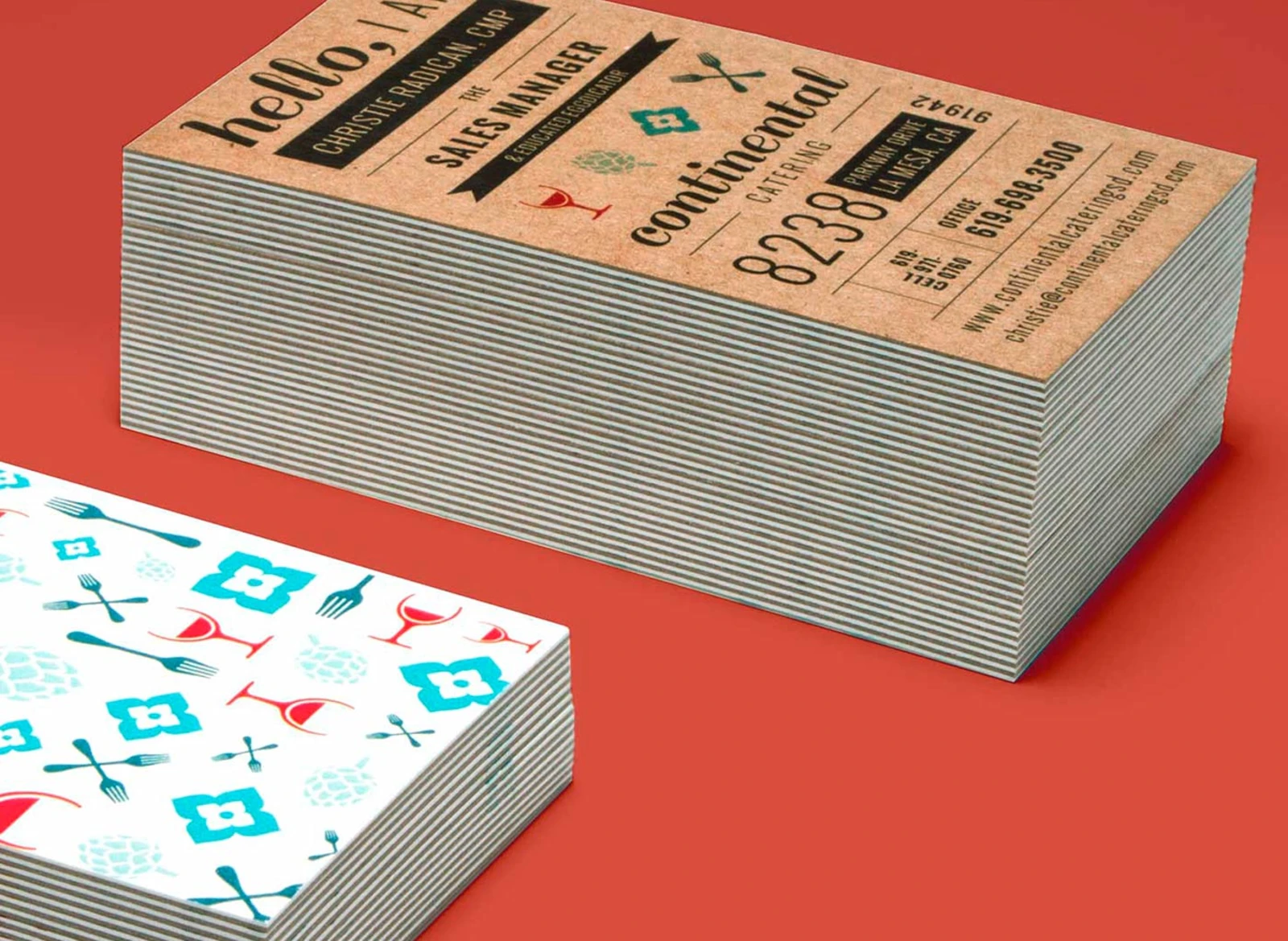
Thicker cards tend to feel more expensive, but the trade-off is cost.
A good rule of thumb is if you hand out a lot of cards, go standard. If you hand out fewer cards in high-value moments, go thicker.
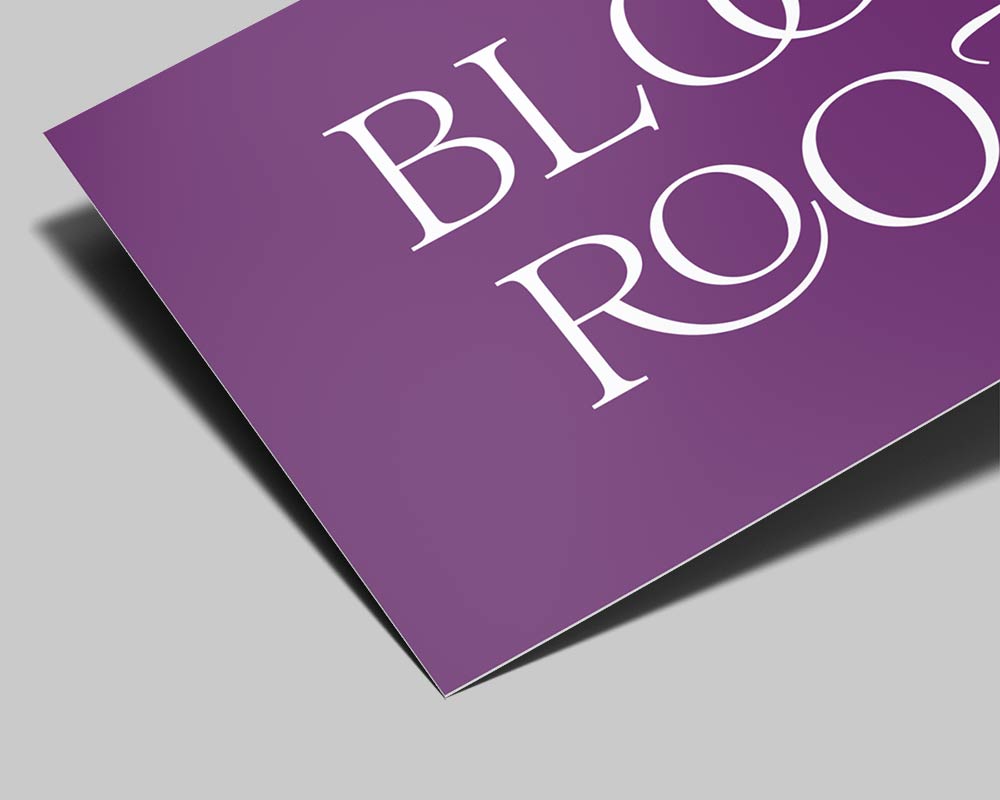
Finishes: How Your Card Looks And Feels
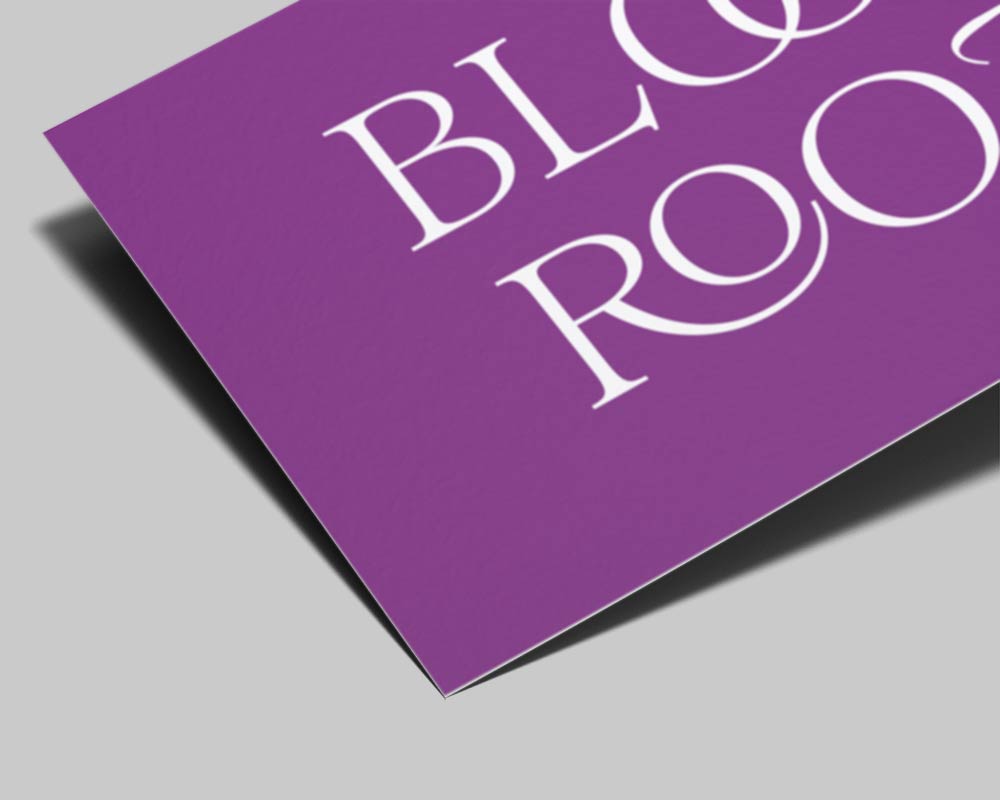
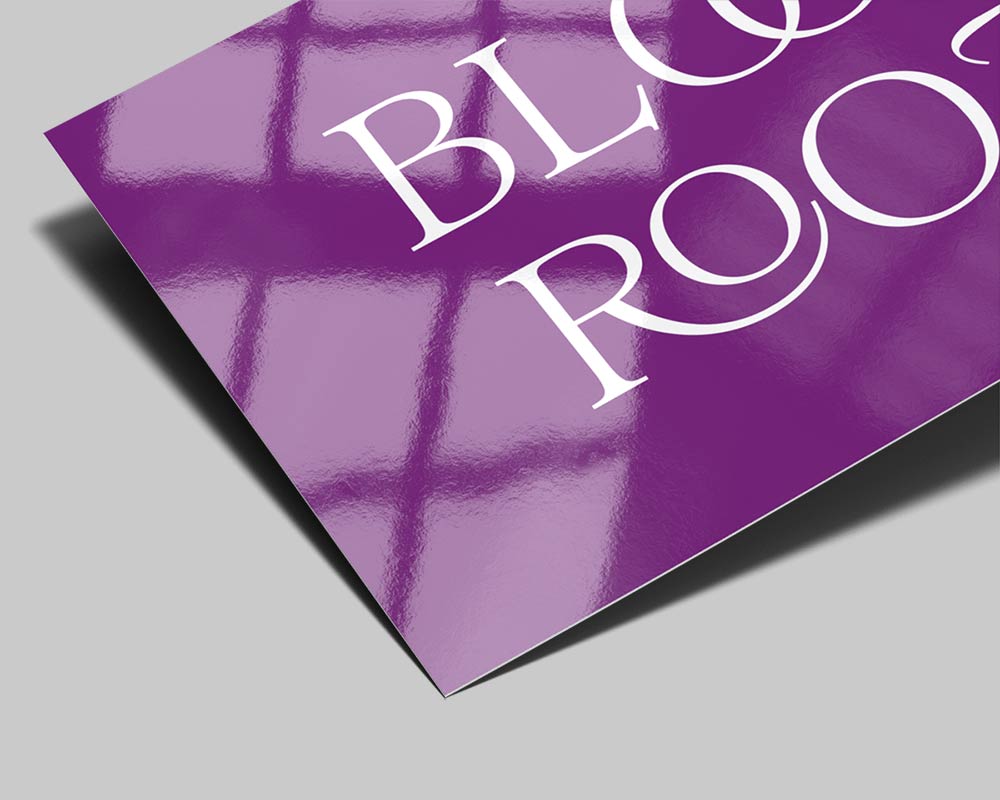
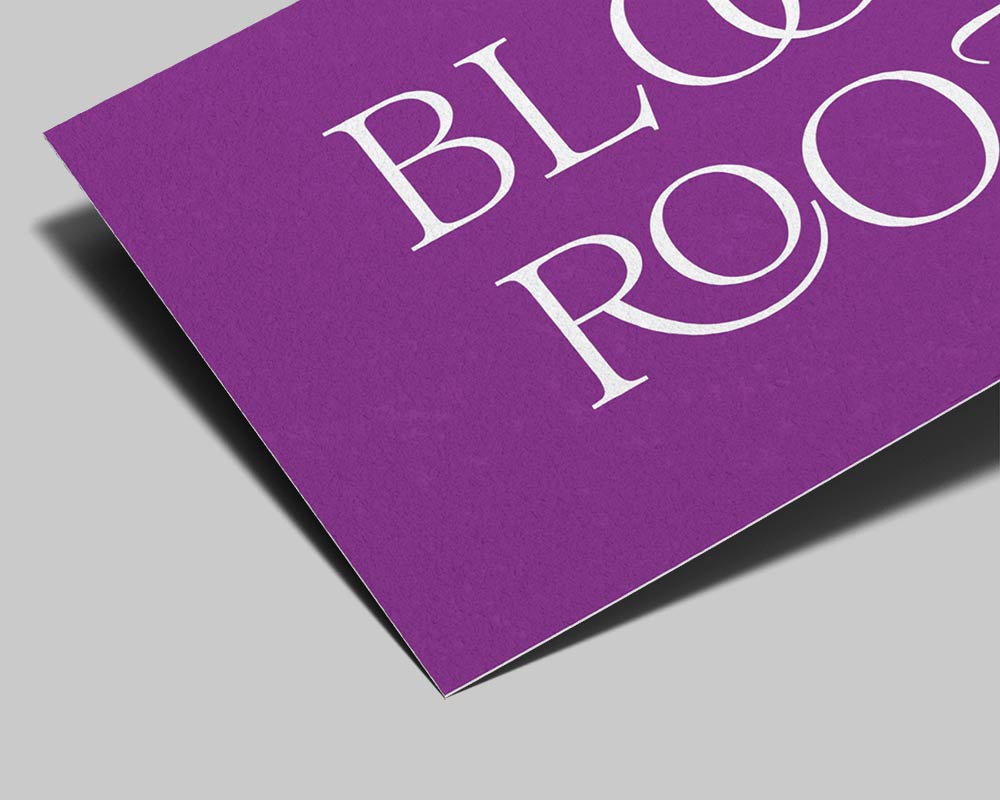
Specialty Options: When To Go Beyond Paper
If you want your business cards to stand out while staying aligned with your values, eco-friendly materials are a strong choice.
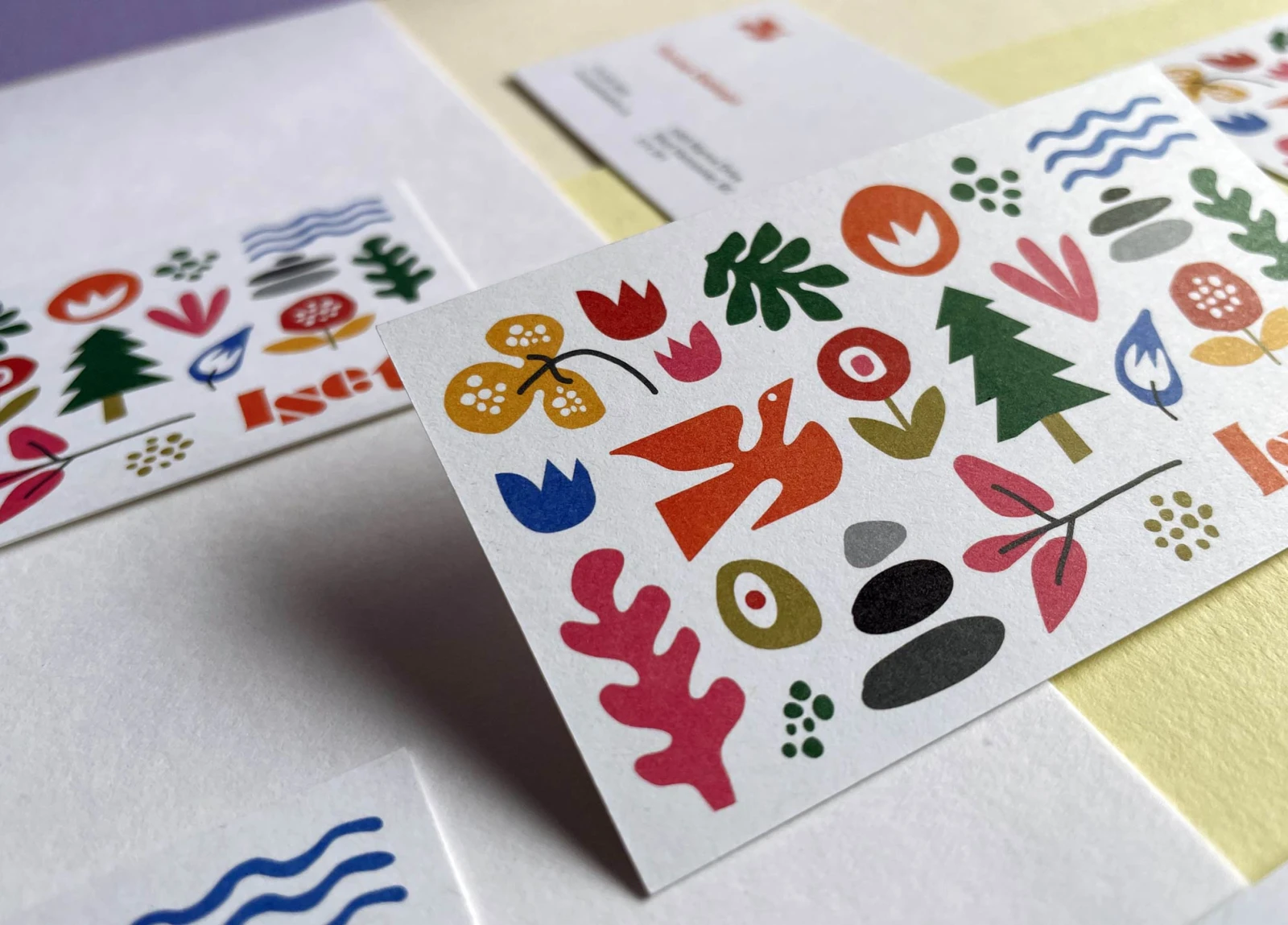
Recycled and eco stocks are ideal for sustainability-focused brands. Options like recycled paper and kraft cardstock offer a natural, textured finish while reducing environmental impact.
You can explore examples such as recycled business cards and kraft business cards from Jukebox Print to see the different finishes and textures available.
Accessibility Checklist For Business Cards
The size of your business card impacts how accessible it is. If it’s too small and you have a lot of text, it can be really difficult for people to read. Bear these things in mind when choosing your business card size:
- Readable typography. Use clear fonts and decent spacing. Avoid tiny text.
- High contrast. Dark text on light backgrounds works best. Avoid low-contrast color combos.
- Support for visual impairments. Larger text and simple layouts help more people read your card easily.
- QR codes for accessibility. QR codes give quick access to digital info. They help people zoom, save, or use screen readers.
Business Cards in 2026: Why Size Still Matters
It’s easy to assume business cards don’t matter as much anymore. We share LinkedIn profiles, send calendar links, and scan QR codes on the spot.
But in 2026, business cards still play a real role in how people connect. Size matters because it affects how a card feels and how easy it is to keep.
There’s something powerful about holding an object. People remember physical things better than digital ones. Weight, texture, and size all trigger memory in ways screens don’t.
Their role hasn’t become any less important over the past few years, but they have adapted to move with the times:
Between 2020 and 2026, a few clear trends have shaped how cards work:
- Cleaner layouts with less text
- Standard sizes paired with thicker stock
- QR codes replacing crowded contact details
- Cards designed to work alongside digital tools
In short, business cards still matter. The right size, weight, and layout make a card easy to carry, easy to keep, and easy to remember. In 2026, the strongest business cards keep things simple, thoughtful, and well-designed.
When you’re ready to bring yours to life, start designing your business card with Jukebox and choose a format that truly fits your brand.
Frequently asked questions
The standard business card size in the US and Canada is 3.5 x 2 inches (88.9 x 50.8 mm).
This size fits wallets, card holders, and badge sleeves comfortably, which is why it remains the most widely used format across industries.
For a standard 3.5 x 2 inch card, you should add 0.125 inches of bleed on all sides.
That means your full design file size should be:
- 3.61 x 2.11 inches
- 1083 x 633 pixels at 300 DPI
All background colors and images should extend into the bleed area to prevent white edges after trimming.
The safe area is the inner margin where important content should sit.
For a 3.5 x 2 inch card, the safe area is:
- 3.36 x 1.86 inches
Keep logos, names, and contact details inside this area to avoid trimming issues.
Business card thickness is measured in points, abbreviated as PT.
Modern professional business cards typically start at 18PT. Cards thinner than this can feel lightweight and bend easily.
Premium options commonly include:
- 18PT
- 20PT
- 24PT
- Duplex constructions exceeding 28PT
For most brands today, 18PT or thicker is considered the professional standard.
Yes. 18PT is considered a strong, durable thickness that feels substantial in hand.
It provides structure without being bulky and is widely accepted as the modern starting point for premium business cards.
Yes. Square business cards are a popular option for creative brands.
Common sizes include:
- 2.5 x 2.5 inches
- 55 x 55 mm
They offer a modern look, though they may not fit standard wallets as easily as 3.5 x 2 inch cards.
Die-cut business cards are trimmed into custom shapes or contours.
They can include rounded corners or unique outlines that match your brand. When designing die-cut cards, keep important content away from trim edges to prevent cutting issues.
Business cards should be designed in CMYK.
RGB is used for screens, while CMYK is used for print. Designing in RGB can cause color shifts when printed, especially with bright tones.
Yes. Standard sizes like 3.5 x 2 inches are generally more cost-efficient because they align with common production formats. Quantity matters too, see what 250 business cards cost for the price at one of the most common run sizes. Custom shapes and specialty constructions may increase production complexity.
For most industries, 3.5 x 2 inches remains the most professional and widely accepted size.
It fits wallets, organizers, and holders while providing enough space for clean, readable layouts.